
You probably already know the power of video and storytelling for promotional and fundraising purposes. But how to best tell that story for maximum impact can sometimes be a challenge. Below are some mistakes that I see frequently in nonprofit videos. Avoiding these mistakes will help your video be more effective and emotionally engaging.
Trying to tell every story at once.
Often there is a temptation to touch on a number of different stories and programs and try to show everything that the organization does. However, this dilutes the power of story, and none of them have a meaningful impact. Instead, it’s better to focus on one story and spend enough time being specific about how the program has changed a person’s life. This helps the viewer connect more emotionally and understand the depth and importance of the impact the organization made. This emotional response is what moves the viewer to action.Interviewing 8 people instead of 2.
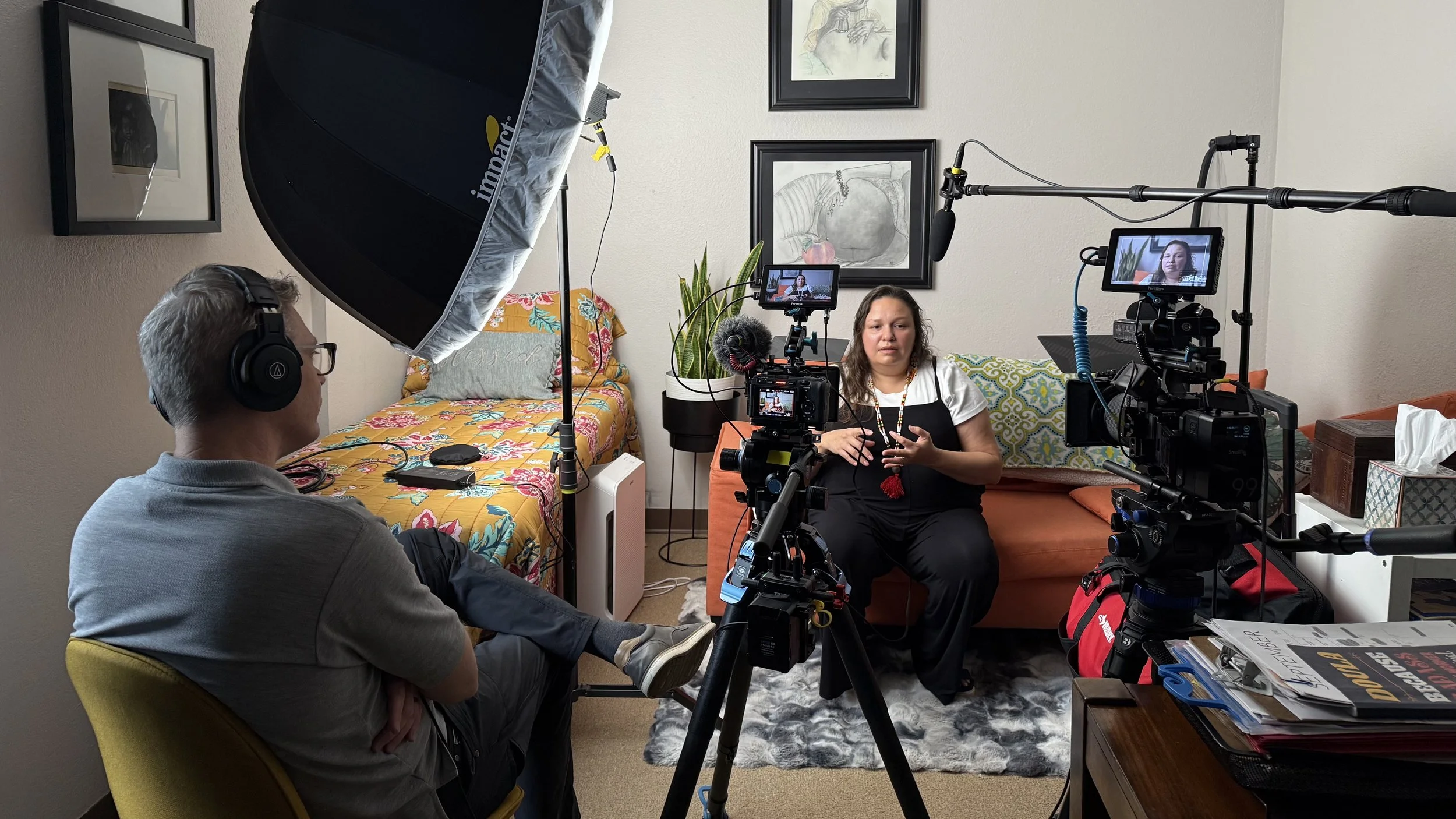
This decision is often motivated by a desire to include all the key people. But when the viewer hears from so many people, it feels more like a collection of sound bites than a cohesive story. We want the viewer to feel that they understand and connect with the protagonist, but that is hard to do when hearing from so many different people. For most projects, I find that 2 to 3 interviewees is the sweet spot. It’s definitely possible to use only a single interview, but it’s nice to hear the story from a few different perspectives. Usually, I suggest we interview a client whose story we’ve chosen to tell and a front-line staff person who has walked with the client and helped them on their journey. The staff member can also tie in some of the bigger-picture information about the organization, the program, and the need that the program is addressing while keeping the focus on the client’s story.Making organization the hero.
It’s very natural to think that a video ought to describe the organization, and that’s what nonprofit teams usually gravitate toward. But it’s important to resist this urge and put in the extra work to focus on those whom the organization serves (or, in some cases, its volunteers or donors). Viewers want to find someone in the story they can relate to—either someone similar to them or someone whose life is improved as a result of their contribution. The organization’s role in the story is the catalyst and the guide—not the hero. Don’t shine the spotlight on yourself.Letting narration replace the story
We see it all the time: a smattering of B-roll shots under a scripted voiceover track. While there is a place for voiceover, it doesn’t draw in the viewer into a story the way an un-scripted interview can. The B-roll, too, should tell the story rather than just be whatever clips you already have. It ought to show the featured person in their environment, interacting with the organization and staff, and how their life has been changed. Archive photos or videos from the main interviewee can be very useful in helping demonstrate the before and after.
Using stock footage.
The value of a storytelling video is to show people how real lives are being changed by the organization. Using stock or AI-generated footage is counterproductive to this effort. People can immediately tell that those clips are not yours, and it raises their suspicion. They are not likely to entirely believe or trust your message, seeing it instead as a shiny veneer. This could actually do more harm than good in your efforts to raise support. For the sake of authenticity and honesty, photos and even poor-quality video are usually preferable to using stock or AI-generated content.
So, in summary, focus your message. Don’t try to cover too much ground. Prioritize one authentic impact story, and keep it real rather than trying to make it slick. By avoiding the five mistakes above, you’ll find that your storytelling videos will be more engaging and have a greater impact.
Good luck!