Common Nonprofit Storytelling Mistakes

You probably already know the power of video and storytelling for promotional and fundraising purposes. But how to best tell that story for maximum impact can sometimes be a challenge. Below are some mistakes that I see frequently in nonprofit videos. Avoiding these mistakes will help your video be more effective and emotionally engaging.
  1. Trying to tell every story at once.
    Often there is a temptation to touch on a number of different stories and programs and try to show everything that the organization does. However, this dilutes the power of story, and none of them have a meaningful impact. Instead, it’s better to focus on one story and spend enough time being specific about how the program has changed a person’s life. This helps the viewer connect more emotionally and understand the depth and importance of the impact the organization made. This emotional response is what moves the viewer to action.

  2. Interviewing 8 people instead of 2.
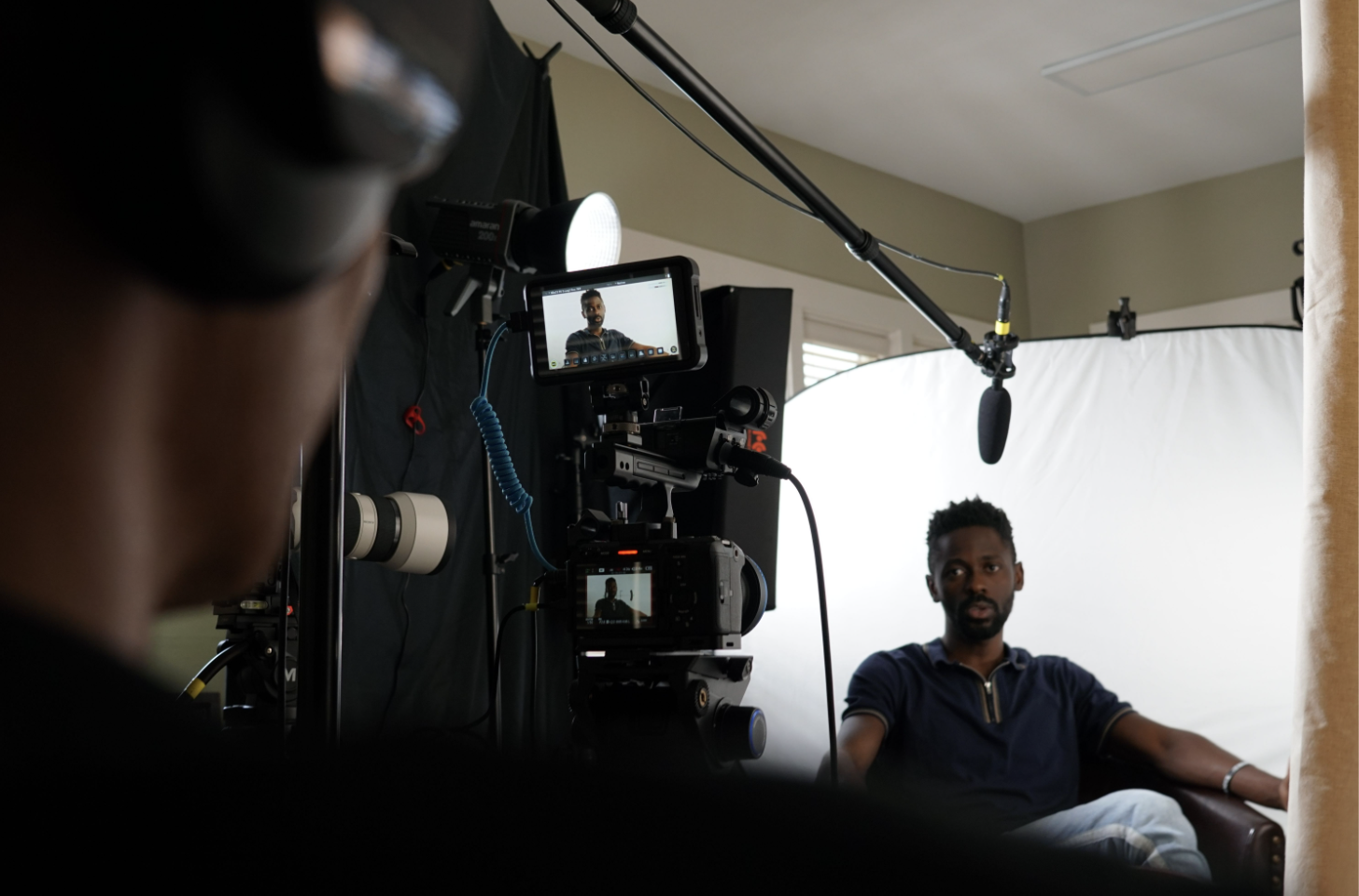
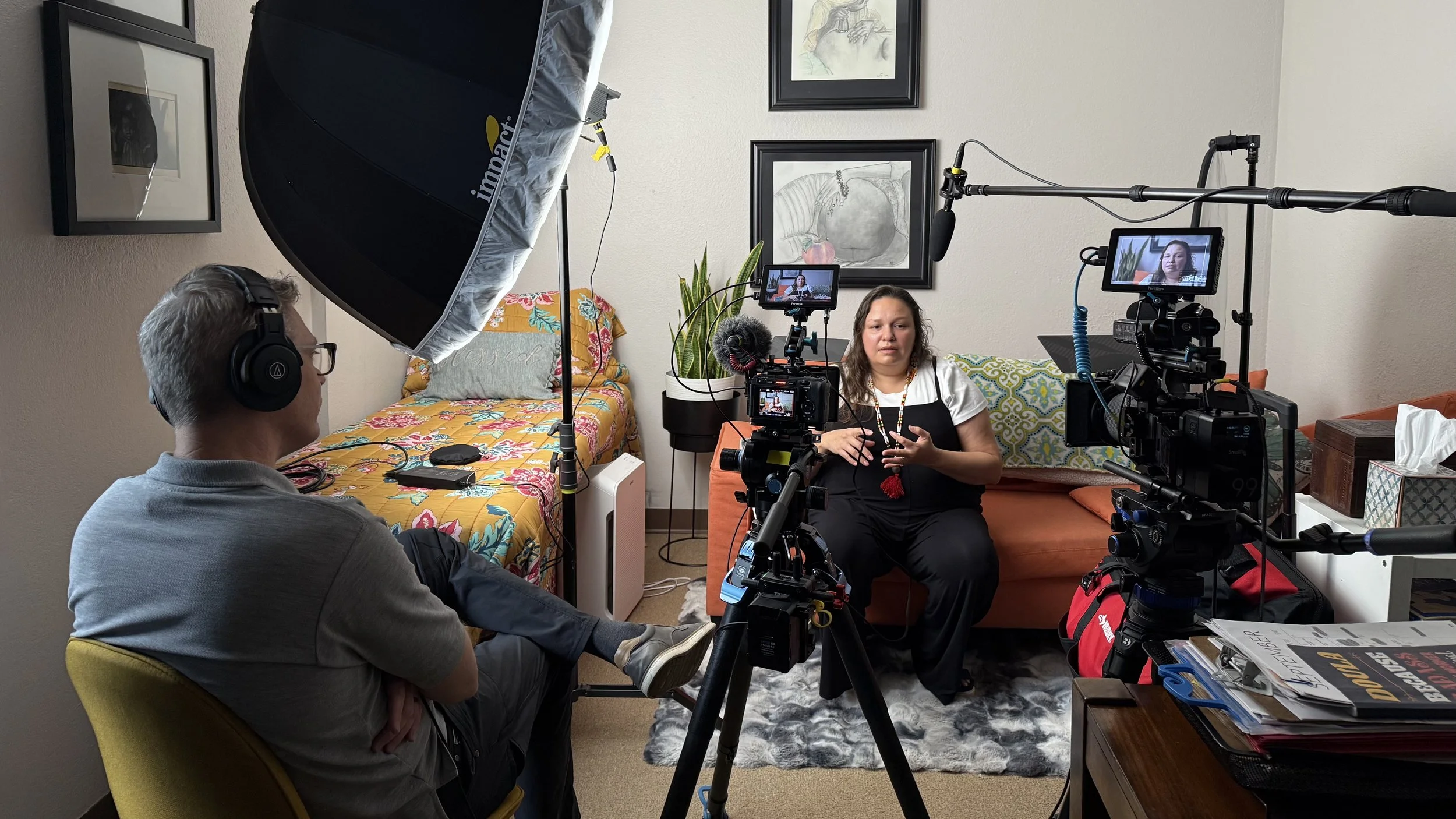
    This decision is often motivated by a desire to include all the key people. But when the viewer hears from so many people, it feels more like a collection of sound bites than a cohesive story. We want the viewer to feel that they understand and connect with the protagonist, but that is hard to do when hearing from so many different people. For most projects, I find that 2 to 3 interviewees is the sweet spot. It’s definitely possible to use only a single interview, but it’s nice to hear the story from a few different perspectives. Usually, I suggest we interview a client whose story we’ve chosen to tell and a front-line staff person who has walked with the client and helped them on their journey. The staff member can also tie in some of the bigger-picture information about the organization, the program, and the need that the program is addressing while keeping the focus on the client’s story.

  3. Making organization the hero.
    It’s very natural to think that a video ought to describe the organization, and that’s what nonprofit teams usually gravitate toward. But it’s important to resist this urge and put in the extra work to focus on those whom the organization serves (or, in some cases, its volunteers or donors). Viewers want to find someone in the story they can relate to—either someone similar to them or someone whose life is improved as a result of their contribution. The organization’s role in the story is the catalyst and the guide—not the hero. Don’t shine the spotlight on yourself.

  4. Letting narration replace the story

    We see it all the time: a smattering of B-roll shots under a scripted voiceover track. While there is a place for voiceover, it doesn’t draw in the viewer into a story the way an un-scripted interview can. The B-roll, too, should tell the story rather than just be whatever clips you already have. It ought to show the featured person in their environment, interacting with the organization and staff, and how their life has been changed. Archive photos or videos from the main interviewee can be very useful in helping demonstrate the before and after.

  5. Using stock footage.
    The value of a storytelling video is to show people how real lives are being changed by the organization. Using stock or AI-generated footage is counterproductive to this effort. People can immediately tell that those clips are not yours, and it raises their suspicion. They are not likely to entirely believe or trust your message, seeing it instead as a shiny veneer. This could actually do more harm than good in your efforts to raise support. For the sake of authenticity and honesty, photos and even poor-quality video are usually preferable to using stock or AI-generated content.

So, in summary, focus your message. Don’t try to cover too much ground. Prioritize one authentic impact story, and keep it real rather than trying to make it slick. By avoiding the five mistakes above, you’ll find that your storytelling videos will be more engaging and have a greater impact.

Good luck!

Creating Videos for Social Media

If you’re looking to get your cause or non-profit known and trusted, videos on social media are an excellent way to spread awareness and build brand recognition. But how are social media videos different than any other video?  Wether you’re including social media videos within a larger video project or just making a single social media piece, there are some key differences from other videos that should be considered.

As with any video, you want to start by clearly outlining your objectives. Are you trying to increase brand awareness, drive traffic to your website, promote a specific event, or engage with your audience? Your goals will influence the content and style of your video.

LENGTH: 

Though you may have a version of the video that is used on your website or different platforms, social media videos should be much shorter—and really attention grabbing.  Plan on a crisp video, between 30 and 60 seconds. Longer than that and you will lose your viewers’ attention. 

ON SCREEN TEXT:

Research shows that the majority of people watching social media videos have the sound off.  In some cases, the number is as high as 92%. Without some kind of captions or on-screen text, your message will be completely lost for many of the viewers and they will likely just move on. This could be “burned in” stylized text, or caption files that usually can be auto-generated by the platform.  Whatever it is, just make sure that when the sound is off, text will be seen. Pro tip: if your captions are burned into the video that you upload, then be sure to turn off any captions within the platform. Otherwise, you’re likely to have text overtop text.

PACING: 

The overall energy and pacing of the video should be quick and snappy. You’ve got a very short amount of time to connect with the viewer, so bring your best visuals to this tiny video. It’s especially important that the very first second or two be attention grabbing to “stop the scroll”.  Then once you’ve done that you have to continue to keep the viewer engaged with a compelling message or visuals (or both!)

ASPECT RATIO: 

Tailor your videos for the specific platform you're using. Each social media platform has its own specifications and best practices. At Mustard Seed Cinema, we’ve found that creating square videos, as opposed to vertical or widescreen, seem to work the best and are the most flexible for use on all social media platforms. 

THUMBNAIL: 

Don’t forget to choose a custom thumbnail. The frame that is automatically chosen for you is usually NOT the best option. You can choose a frame from the video you uploaded, or in many cases you can upload a separate image. Just be sure that the thumbnail grabs ones attention and represents the topic of the video. Pro tip: it’s hard to go wrong with a close up of a smiling face.

INCLUDE A CLEAR CALL TO ACTION:

Tell viewers what you want them to do next. Whether it's visiting your website, making a donation, or sharing the video, a strong call to action guides your audience.  For ads and boosted content, the call to action is usually an obvious button below the video so in that case you wouldn’t need to explicitly say it in the video itself.

You can’t just upload any video to social media and expect it to be a success. By taking these actions to treat your social media videos differently than other videos, your posts will have more reach and impact. Best of luck!

Video Use Cases For Non-Profits: 7 Ideas

Effective Ways Nonprofits Can Use Video
Video brings the important work of non-profit organizations to life, but are you exhausting every possibility for video to get your message across? If a picture is worth a thousand words, then a video can be exponentially more effective at communicating your mission. By showing the important work you and your team do, you are connecting with your audience and possibly creating new partners. Here are several important ways video can be used for your organization:

Professional video production companies can raise the bar on your nonprofit’s reputation.


  1. Use video to give brief updates, behind the scenes chats and new briefs to your clientele, or on social media. You don’t need anything fancy; just pull out your phone and shoot it yourself. It’s fast, easy and can be very effective.

  2. Have an attitude of gratitude! Use video to thank donors. Depending on the number of people this includes, you could either post a video of the CEO/founder online and send a link to donors, post it on social media, or for some donors you may consider shooting a personalized video greeting for one individual or business. 

  3. Tribute videos can be effective ways to highlight a person or group. A brief tribute video to thank volunteers, staff, etc can boost morale and build your team. Folks on your team will appreciate being highlighted!

  4. Annual Reports/Year in Review are far more compelling in video than just on paper. Take time to script this, though, so it will be quick-moving and brief.

  5. Spotlight a person or a ministry within your group. Your organization shows gratitude, and hopefully inspires others with the excellent work going on within it. In particular, if you have an upcoming event, you may want to spotlight the ministry planning the event, or just highlight the event itself.

  6. You may want to consider investing in a promotional video, professionally created, to place on your homepage of your website. This video can encapsulate your mission and highlights, capturing the crux of your message in a brief, visually appealing way.

  7. Fundraising/Capital Campaigns are another way to use video, and often a professionally shot and edited project is most effective. The goal would be to tap into the inspirational and emotional elements of your organization, to compel others to get involved, donate, etc.

Interviews with those helped by your nonprofit can creatively tell your story.

Take small steps to infuse video into different facets of your organization’s advertising/PR efforts. Be sure to post your videos, once completed, on all your social media platforms, as well as your nonprofit’s website. In no time, you’ll be creating a strong presence in a variety of creative ways, sharing the importance of your nonprofit’s valuable work.

If you would like to watch some examples of nonprofit videos, visit our portfolio.